
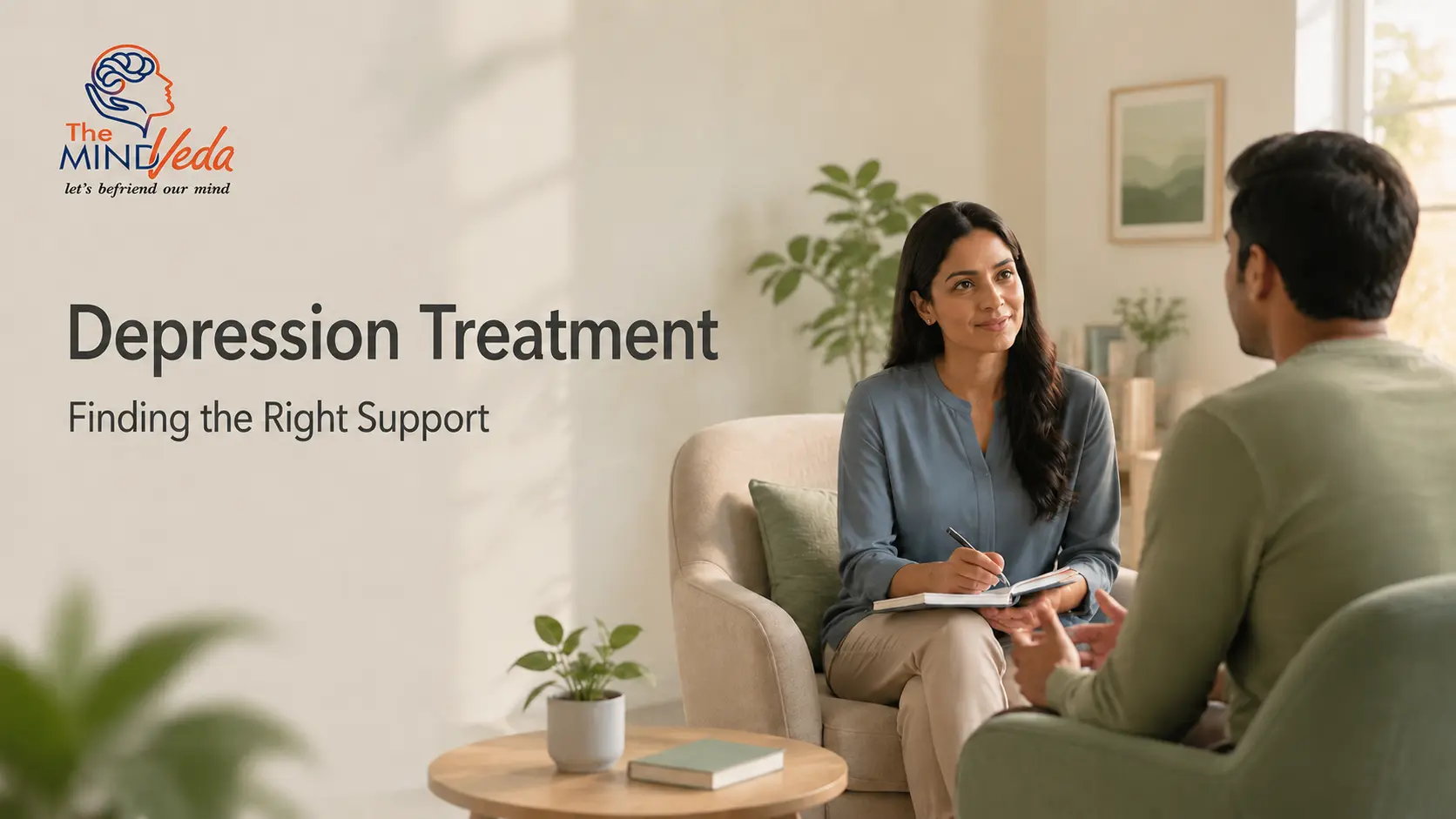
So What Does Depression Treatment Actually Look Like?
Honestly, it depends on the person. Depression doesn't wear one face. For someone, it's crying at random moments for no clear reason. For another, it's just flatness. No highs, no lows, just going through the motions and calling it a day. Some people get irritable. Some withdraw completely. Some keep smiling in photos while falling apart quietly at home.
Because of that, good depression treatment never starts with a checklist. It starts with someone taking the time to actually get to know you, your sleep, your stress, your relationships, the stuff you've been carrying around for years without naming it. A rushed ten-minute diagnosis doesn't cut it here. It shouldn't, anyway.
The Different Roads to Depression Treatment
There's no single "right" way to do this, and honestly, be a little wary of anyone who insists there is. Depending on what you're going through, treatment can look like a mix of things:
Talk therapy – just you and a counsellor, working through what's actually going on underneath the surface
Psychiatric consultation – for when symptoms are heavier, and medication might genuinely help alongside therapy
Personality and psychological assessments – sometimes there are patterns you can't see on your own that these help uncover
Everyday lifestyle shifts – sleep, movement, mindfulness, the unglamorous stuff that actually moves the needle over time
Family or relationship counselling – because depression rarely stays contained to just one person in a household
Most people end up doing a bit of all of this. Depression treatment isn't a single appointment you check off a list. It's more like a relationship that evolves as you get better, hit a rough patch, get better again.
Why Who You Talk To Matters As Much As What You Do
You could technically have access to the best treatment methods out there, but if the person sitting across from you doesn't feel safe or trustworthy, none of it sticks. We've seen this firsthand. It's why our team at The Mind Veda is made up of RCI registered psychologists, people who've actually met the clinical standards, not just people with kind intentions and a nice smile.
We also get it: money and shame are usually the two biggest reasons people put off getting help for way too long. So we've tried to keep our depression treatment services affordable, and everything you share stays completely confidential. No judgment, no financial guilt trip.
Figuring Out What's Right For You
A few questions worth sitting with honestly:
How long has this actually been going on? Two rough weeks is different from six exhausting months.
Is it messing with your everyday life, your work, your appetite, your sleep, your relationships?
Who's around you right now? Sometimes family involvement changes what kind of support makes sense.
Do you think you just need to talk, or do you feel like something more clinical might be needed too?
There's no wrong answer to any of these. They just help point you toward the kind of depression treatment that'll actually fit your life instead of fighting against it.
You Really Don't Have to Do This Alone
If something in you has been quietly asking for a change, that instinct is worth trusting. The Mind Veda exists so reaching out doesn't feel scary or clinical or like one more thing to be ashamed of. Just real people, RCI registered and genuinely invested in helping you feel like yourself again.
Take the first step whenever you're ready. We'll be here.
FAQs
1. How long does this whole process take?
Genuinely varies. Some people feel a shift in a few weeks. Others need months of consistent support before things start feeling lighter. There's no shame in either timeline.
2. Do I have to take medication?
Not necessarily. A lot of people manage well with therapy and lifestyle changes alone, especially with mild to moderate depression. Medication tends to come into the picture when things are more severe or have been going on for a long while.
3. What actually happens in the first session?
Nothing scary, promise. It's mostly your therapist getting to know you. Your history, your stress, your sleep, your relationships. There's no immediate diagnosis thrown at you.
4. Will anyone else find out what I share?
No. Confidentiality isn't just a policy line for us; it's something we take seriously so you can actually speak freely without worrying who might hear about it.
5. Should my family be involved in this depression treatment session?
Sometimes, yes, especially if home is part of what's weighing on you. Family counselling can help, though it's completely your call whether or not to bring them in.