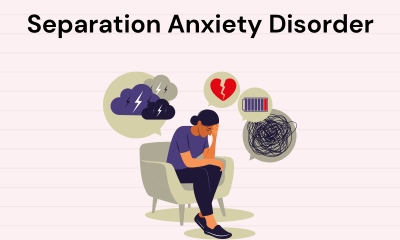
For many people, this goes beyond normal emotional attachment. It may be a sign of separation anxiety disorder, a condition that can significantly affect mental health, relationships, daily routines, and emotional well-being.
While often associated with children, this condition also affects adults. Emotional dependency, attachment issues, overthinking, and anxiety can become severe enough to disrupt work performance, sleep quality, and relationships.
Mind Veda helps individuals navigate emotional challenges through evidence-based counselling, helping them build resilience, emotional balance, and healthier coping strategies for long-term mental wellness.
Key Takeaways
Separation anxiety affects both adults and children
It can impact emotional stability, relationships, and daily functioning
Professional counselling helps identify triggers and emotional patterns
Therapy improves emotional regulation and reduces anxiety symptoms
Mind Veda offers expert counselling for anxiety, stress, and emotional wellness
What is Separation Anxiety Disorder?
Separation anxiety disorder is a mental health condition where a person experiences excessive fear, stress, or anxiety when separated from someone they feel deeply attached to.
This could involve:
Parents
Partners
Children
Family members
Close caregivers
Unlike temporary worry, this condition creates intense emotional distress that affects daily life and mental well-being.
Common symptoms include:
Constant worry about loved ones
Fear of abandonment
Panic during separation
Difficulty sleeping alone
Emotional breakdowns
Excessive clinginess
Symptoms of Separation Distress Disorder
Early recognition is important for effective treatment.
People experiencing this condition may also struggle with:
Racing thoughts
Restlessness
Irritability
Difficulty concentrating
Physical symptoms like headaches or nausea
How Anxiety Develops
Emotional Attachment
↓
Fear of Separation
↓
Overthinking
↓
Anxiety & Panic
↓
Emotional Instability
What Causes Separation Anxiety?
Several emotional and psychological factors can contribute to anxiety around separation.
Common causes include:
Childhood trauma
Past abandonment experiences
Unhealthy attachment patterns
Relationship insecurity
High stress or emotional dependency
People with attachment issues often struggle to feel secure when separated from loved ones.
These emotional patterns can increase the risk of developing separation anxiety disorder.
How Counselling Helps in Separation Anxiety
Professional counselling is one of the most effective ways to manage separation anxiety disorder because it addresses both emotional triggers and root causes.
Instead of only treating symptoms, therapy helps individuals understand why separation creates intense distress.
Counselling helps individuals:
Understand emotional triggers
Identify unhealthy attachment patterns
Reduce anxious thinking
Improve emotional regulation
Build confidence and resilience
Common evidence-based therapies include:
Cognitive Behavioral Therapy (CBT)
Mindfulness therapy
Emotional regulation strategies
Stress management counselling
These methods help individuals gain control over emotions and develop healthier responses.
Talk to an Expert Counsellor Today
If anxiety, emotional dependency, or overthinking is affecting your daily life, professional support can help.
Problem Solving: Practical Ways to Improve Emotional Stability
Emotional stability does not mean suppressing emotions. It means learning how to manage them effectively.
Here are proven counselling-based strategies:
1. Identifying Emotional Triggers
Recognizing triggers helps reduce emotional overwhelm.
2. Improving Emotional Awareness
Understanding your emotions improves self-control.
3. Building Self-Confidence
Confidence reduces unhealthy emotional dependency.
4. Creating Healthy Attachment
Relationships should feel supportive, not fear-driven.
These approaches are highly effective in managing separation anxiety disorder and improving long-term emotional health.
Treatment Options for Anxiety and Emotional Instability
Treatment varies based on symptoms and severity.
Effective approaches include:
Individual counselling
Cognitive therapy
Emotional wellness programs
Relationship counselling
Lifestyle changes
Professional guidance often delivers the best long-term results.
Mind Veda creates personalized counselling plans based on each individual’s emotional needs and mental health goals.
Client Story: A Journey from Anxiety to Emotional Stability
A 32-year-old working professional struggled whenever her husband traveled for work. She experienced panic, sleeplessness, excessive worry, and emotional distress.
Over time, her work performance declined, and relationships became strained.
She was experiencing clear symptoms of separation-related anxiety .
Through counselling, she learned:
How to regulate emotions
How to challenge anxious thoughts
How to manage emotional triggers
How to build confidence
Within a few months, her anxiety reduced significantly, and she regained emotional stability.
Counselling Journey
Assessment
↓
Trigger Identification
↓
Personalized Counselling
↓
Emotional Healing
↓
Long-Term Stability
Real Experiences: How Mind Veda Supports Emotional Healing
Many individuals silently struggle with anxiety, emotional dependency, and relationship stress without realizing professional help can change their lives.
Mind Veda supports clients dealing with:
Anxiety disorders
Emotional instability
Stress and burnout
Relationship issues
Trauma recovery
Overthinking
Attachment issues
Counselling focuses on long-term emotional transformation, not just temporary symptom relief.
Clients develop healthier coping mechanisms, stronger emotional resilience, and improved mental clarity.
Benefits of Counselling for Emotional Stability
Professional counselling can help you:
Reduce anxiety
Improve emotional control
Strengthen self-confidence
Build healthier relationships
Develop better coping strategies
Improve overall mental wellness
For individuals struggling with separation anxiety disorder, therapy can create lasting emotional change.
Conclusion
Emotional distress caused by separation can deeply affect relationships, mental health, and overall quality of life. Left untreated, anxiety can become overwhelming.
But healing is possible.
With expert counselling, individuals can understand emotional patterns, overcome unhealthy attachment, and build lasting emotional resilience.
If anxiety or emotional instability is affecting your life, Mind Veda can help you move toward better emotional health and long-term stability.
Start Your Healing Journey with Mind Veda
You do not have to struggle alone.
Emotional healing starts with the right support, guidance, and counselling.
Mind Veda helps individuals overcome anxiety, emotional dependency, and mental stress through expert counselling.
FAQs
1. What is separation anxiety disorder?
Separation anxiety disorder is a mental health condition involving excessive fear or anxiety during separation from loved ones.
2. Can adults develop separation-related anxiety?
Yes. Adults can also experience this condition, especially in emotionally dependent relationships.
3. Is separation-related anxiety treatable?
Yes. Therapy and counselling are highly effective in reducing symptoms and improving emotional stability.
4. How does counselling help with anxiety?
Counselling helps identify triggers, improve emotional regulation, and build healthier coping strategies.
5. How long does counselling take for separation anxiety?
The duration varies based on symptom severity, emotional triggers, and individual progress. Some people see improvement within a few weeks, while others benefit from longer-term counselling.